







Safe & Verified
Funky Time RTP
Best Online Casinos to Play Funky Time

MOSTBET
- Fast withdrawals
- Mobile access
- Diverse games
125% up to 25,000 BDT + 250 Free Spins

PIN-UP
- Stylish design
- Quick payouts
- Live dealer games
150% up to 600,000 BDT on deposit

1XBET
- Global access
- Fast transactions
- Wide betting options
Welcome Bonus 100% up to 15,000 BDT

GLORY CASINO
- Secure payments
- Local bonuses
- Smooth gameplay
Bonus 125% on Deposit + 250 Free Spins

1WIN
- Easy registration
- High odds
- Instant withdrawals
Bonus 500% on First 4 Deposits
Return to Player (RTP) is one of the most important concepts for anyone engaging with online casino games. Funky Time features an RTP of 95.99%, meaning that over a large number of rounds, the game is designed to return this percentage of total wagers to players. Understanding RTP helps set realistic expectations and supports better decision-making. In a dynamic live show like Funky Time, knowing the RTP of each segment and bonus round allows players to estimate long-term potential returns and approach the game with a more informed strategy.
What Is RTP in Funky Time?
RTP, or Return to Player, represents the percentage of total wagers a game is expected to return to players over a long period. For example, if Funky Time lists an RTP of 96%, it means that—on average—the game is designed to pay back 96 currency units for every 100 wagered. This figure is theoretical, and real outcomes can differ widely during shorter sessions.
RTP is calculated by examining the game’s rules, payout structure, and long-term outcome distribution. Live titles like Funky Time rely on certified systems that ensure fair and unbiased results, supported by regulated algorithms and industry compliance standards.
Players pay close attention to RTP because it offers a realistic sense of a game’s long-term efficiency. A higher RTP typically suggests better expected returns, making such games more appealing. By understanding the RTP of Funky Time, players can set appropriate expectations, compare risk levels, and make gameplay decisions that align with their goals and preferred style.
Understanding Funky Time RTP
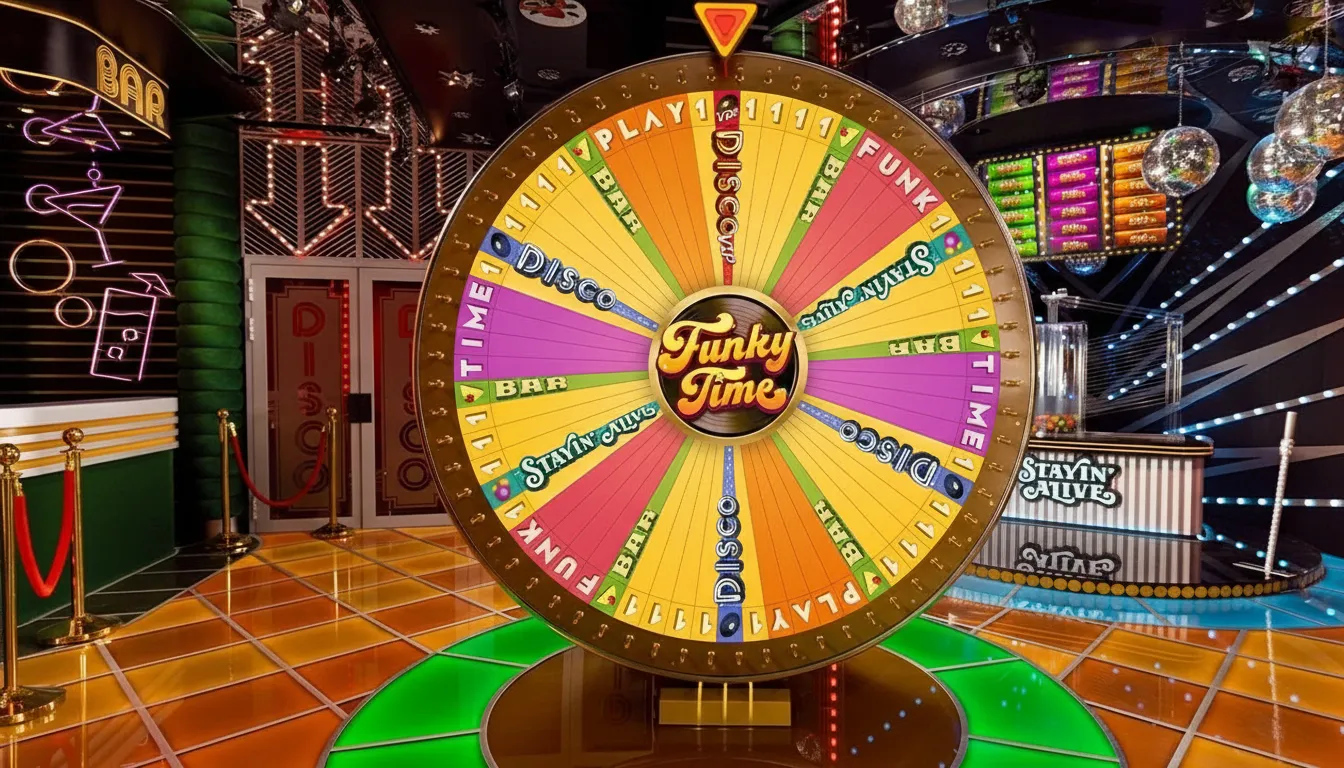
Return to Player (RTP) is a key metric for anyone playing Funky Time. It shows the percentage of total wagers a game is expected to return to players over an extended period. In the context of Funky Time RTP, a higher percentage generally suggests better long-term value, making it an important factor when evaluating how the game fits your playstyle.
Definition: RTP is presented as a percentage that reflects the theoretical payout a game delivers across a very large number of rounds.
Calculation: Developers run extensive simulations—often millions of spins—to determine the RTP with accuracy for Funky Time.
Example: A Funky Time RTP of 96% means that, on average, $96 may be returned for every $100 wagered across long-term play.
Variance: Actual short-term outcomes can differ significantly from RTP because of volatility and natural randomness.
Importance: Knowing the RTP allows players to make more informed choices, helping them balance expectations, risk, and overall enjoyment.
Understanding RTP in titles like Funky Time gives players a clearer sense of how the game performs over time. Having awareness of the percentage—and what it represents—supports smarter betting decisions and a more consistent, informed gaming experience.
Key Elements That Influence Funky Time RTP
Several factors shape how RTP behaves in Funky Time, and understanding them helps players form realistic expectations. RTP—Return to Player—reflects the long-term payout percentage of a game, but various elements can affect how closely real sessions align with this theoretical value. Below are the main components that influence Funky Time RTP and overall gameplay outcomes.
Volatility
Volatility represents the game’s risk level. Higher volatility can produce bigger payouts, but they appear less frequently, creating wider swings that may feel different from the long-term RTP.Bet Size
Although RTP is a fixed percentage, different bet sizes can influence how returns feel in practice. Larger wagers amplify both wins and losses, shaping the short-term experience.Session Length
RTP becomes more accurate over long play periods. Short sessions may show dramatic streaks—positive or negative—before evening out over time.Bonus Features
Bonus rounds and special mechanics can affect how often high-value outcomes occur. Depending on their frequency, they may pull results closer to—or farther from—the theoretical RTP.Game Configuration
Certain adjustable parameters or feature selections can influence payout behavior, affecting how closely a player’s session mirrors the published RTP.
Recognizing how these factors interact provides a clearer understanding of Funky Time’s payout structure. When players consider volatility, session length, and gameplay features together, they can approach the game with better expectations and a more informed strategy.
How Statistical Variability Impacts Funky Time RTP
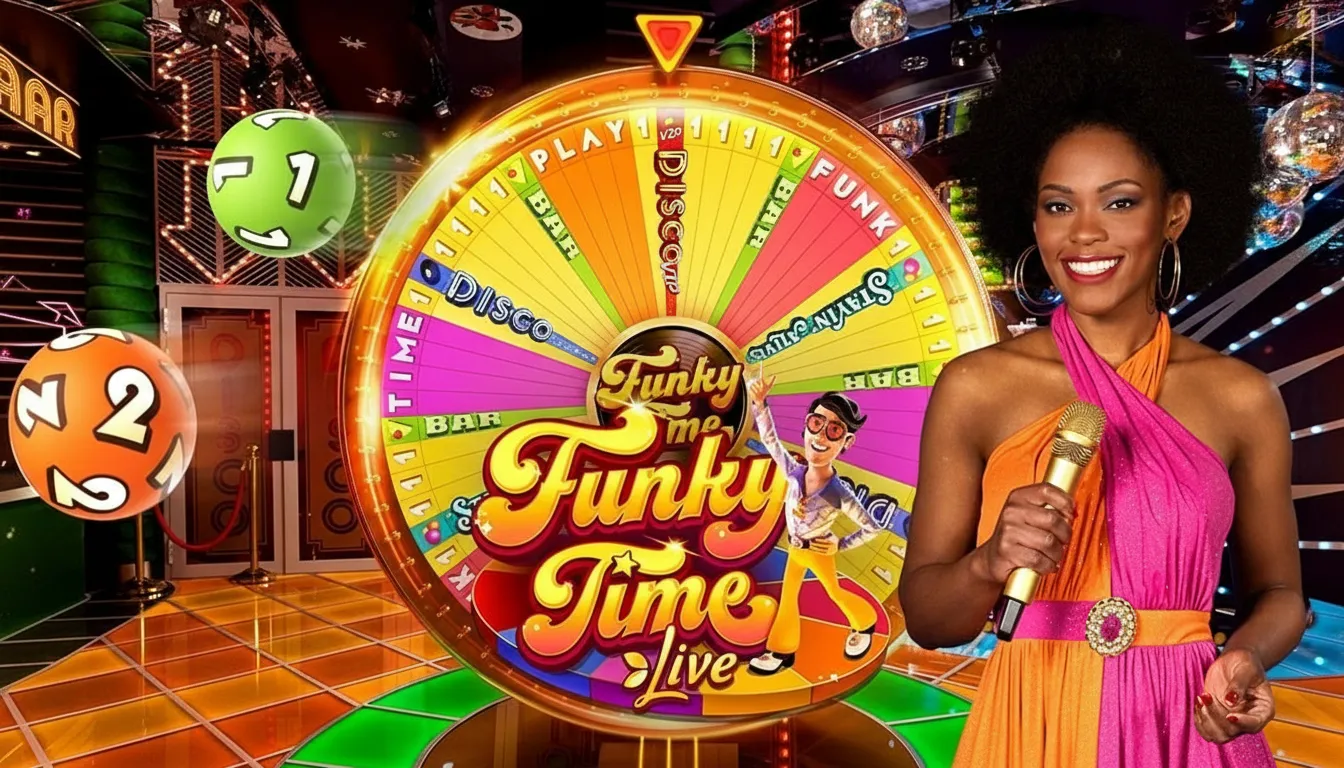
When playing Funky Time, it’s important to remember that RTP represents a long-term theoretical average rather than a guarantee for any single session. Although the RTP offers insight into expected returns, each spin is governed by statistical variability, which can create significant differences between short-term and long-term results.
Independent Outcomes
Every spin is generated independently, meaning previous results have no influence on what happens next. This preserves fairness but adds unpredictability.Short-Term Fluctuations
While RTP reflects expected returns over time, individual sessions can deviate widely—sometimes producing streaks of wins or losses unrelated to long-term averages.Probability Foundations
RTP is calculated using extensive simulations across massive sample sizes. These mathematical models do not reflect the limited number of spins a typical player completes.Payout Structure Influence
The way rewards are distributed—frequent small returns versus rare large ones—can affect how closely short sessions resemble the published RTP.Impact of Sample Size
The more spins played, the closer results tend to align with RTP. Shorter sessions, however, often fall above or below expectations simply due to variance.
In essence, Funky Time RTP offers a framework for understanding the game’s long-term design, not a prediction of what any single session will deliver. Variability ensures that actual outcomes will fluctuate, highlighting the dynamic and unpredictable nature of Funky Time gameplay.
Maximizing Your Odds with Funky Time RTP
A clear understanding of Return to Player (RTP) can help shape a more thoughtful approach to Funky Time. RTP reflects the long-term percentage of wagers a game is expected to return, and knowing how it works allows players to make more informed decisions about risk, session planning, and betting behavior.
- Start by choosing Funky Time versions or segments with higher RTP values, as they tend to offer better long-term efficiency.
- Evaluate RTP together with volatility, since the balance between these two factors influences how steady or swing-heavy game sessions may feel.
- Keep expectations realistic, remembering that RTP is based on long-term simulations and short sessions may differ noticeably from the theoretical average.
- Adjust session length depending on the RTP — shorter play for lower RTP options and potentially longer sessions for stronger return profiles.
- Stay aware of any updates that may alter RTP values, ensuring your choices reflect accurate and current information.
- Use RTP as a guideline for budgeting, helping you structure bets and manage your bankroll more effectively over time.
While RTP cannot predict outcomes or guarantee profits, it provides a useful framework for approaching Funky Time live casino with better awareness. Combining this knowledge with disciplined bankroll management and steady pacing can create a more consistent and confident gameplay experience.
FAQs
Does a higher RTP in Funky Time mean I will win more often?
Not necessarily. A higher RTP reflects better long-term return potential, but individual sessions can still vary widely due to randomness and volatility.
Why do my results look different from the published RTP?
RTP is based on millions of simulated rounds. Short sessions often deviate from the theoretical percentage because of natural variance and independent spin outcomes.
Can RTP help me choose a better betting approach?
RTP can guide expectations, but it doesn’t dictate results. Knowing the RTP may help with planning session length and managing risk, but it cannot guarantee wins.
Are bonus rounds included in Funky Time’s RTP calculation?
Yes. RTP reflects the entire game, including bonus features, segment distribution, and multipliers. However, bonus frequency can affect how closely results mirror the theoretical RTP.
Does RTP change depending on how much I bet?
No. RTP remains the same regardless of bet size. Larger bets simply scale the size of wins and losses, not the underlying return percentage.
How many rounds do I need to play before RTP becomes accurate?
RTP only becomes meaningful over a very large number of spins—often thousands or more. Short sessions rarely match the RTP due to statistical fluctuation.